🧠 Brain-Computer Interfaces in 2026: Are Humans About to Control Devices with Thoughts?
What if you could control your phone, computer, or even your home—without touching anything? In 2026, this is no longer science fiction. Brain-Computer Interface (BCI) technology is rapidly advancing in the United States, and it may soon change how humans interact with machines forever.
From medical breakthroughs to everyday applications, BCI is becoming one of the most exciting and controversial technologies of our time.
🧠 What Is Brain-Computer Interface (BCI)?
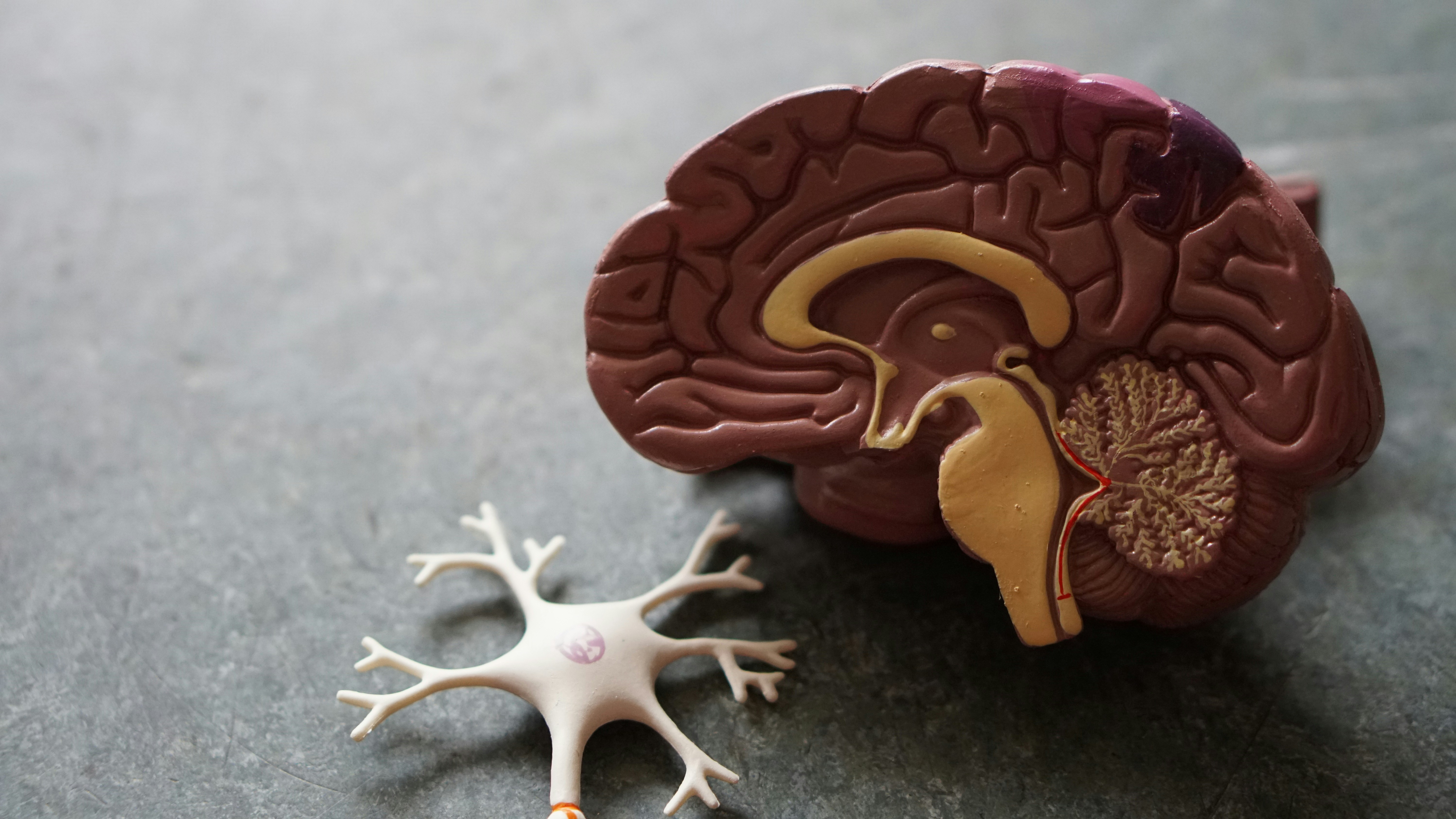
A Brain-Computer Interface is a system that allows direct communication between the human brain and a computer. Instead of using hands or voice, users can send commands using brain signals.
- Control devices with thoughts
- Communicate without speaking
- Assist people with disabilities
🚀 Why BCI Is Trending in the USA
Major tech companies and startups are investing heavily in BCI research. The goal is to create faster, more natural ways for humans to interact with technology.
- Faster than typing or speaking
- Hands-free control
- Revolutionary medical use cases
🏥 Medical Breakthroughs

One of the biggest impacts of BCI is in healthcare. Patients who cannot move or speak can now communicate using brain signals.
In some cases, paralyzed individuals have been able to control robotic arms or type messages just by thinking.
📱 Future Everyday Uses

In the near future, BCI could become part of everyday life:
- Control smartphones with thoughts
- Play games without controllers
- Type messages instantly
- Operate smart homes effortlessly
⚠️ The Dark Side of BCI
While BCI offers incredible possibilities, it also raises serious concerns.
- Privacy risks (brain data exposure)
- Security threats (hacking brain signals)
- Ethical questions
Experts warn that protecting brain data could become one of the biggest challenges in the future.
💡 Is This the Next Big Tech Revolution?
Many experts believe BCI could be as transformative as smartphones or the internet. However, it is still in early stages, and widespread adoption may take years.
The question is not “if” this technology will grow—but “how fast.”
📊 Final Thoughts
Brain-Computer Interfaces are pushing the boundaries of what it means to be human in a digital world. As technology continues to evolve, the line between humans and machines may become thinner than ever.
Whether exciting or scary, one thing is clear—the future of technology is not just in our hands anymore… it’s in our minds.
Welcome to the next era of human evolution.